

Suburban Diagnostics study on sero-conversion, antibody response post COVID-19 infection

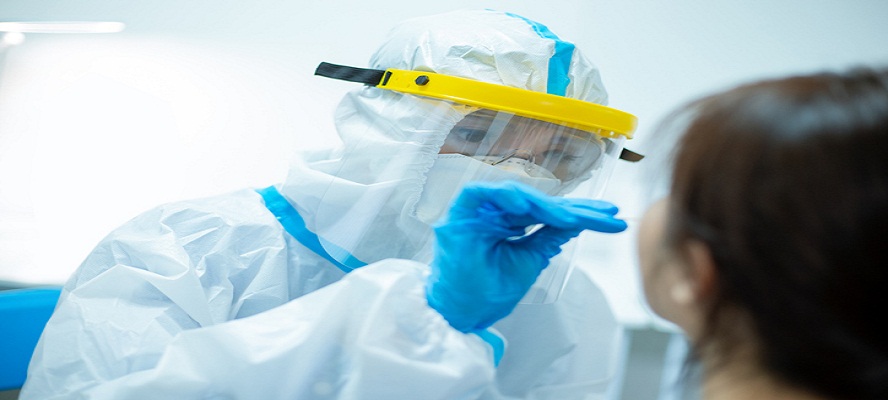

Out of the total 4,06,780 tests conducted by the company from May to November, around 25.8 per cent (1,04,949) patients were COVID-19 positive
In an attempt to objectify their diagnostic and management strategies, Suburban Diagnostics conducted a research on 83 patients with a known history of COVID-19. These patients were followed up on with serial antibody tests to study the sero-conversion and the trend of antibody response post infection. Out of the 83 patients, 64 per cent (53 patients) had symptomatic COVID-19 infection and 36 per cent (30 patients) had completely asymptomatic infection.
While the sample size of 83 COVID-19 patients may not be statistically too significant in a metro the size of Mumbai, the analysis shows some trends worth observing.
When followed up for 120-150 days post infection, 92 per cent were positive for antibodies and 8 per cent were still negative. Of the patients who completed 180 days post diagnosis, 90 per cent were antibody positive. This figure is liable to change once all the patients being followed up complete 180 days and are tested.
When following up with antibody testing amongst the 83 patients, 88 per cent showed a rise in titres at 60-90 days, while 4 per cent cases showed a dip and 8 per cent cases were still non-reactive. At 90-120 days, 55 per cent cases showed rising antibody values, 35 per cent showed a dip in these values while 2 per cent cases showed a plateau in antibody values and 8 per cent were still non-reactive. At 120-150 days, 37 per cent cases showed rising antibody values, 55 per cent showed a dip in these values and 8 per cent were still non-reactive.
The table below shows that, from June to November 2020 there was a significant rise in the percentage of patients who developed antibodies. Out of the total 37,646 tests conducted it was found that around 14,080 which is around 37.4 per cent of the patients had developed COVID-19 antibodies.
| Month | Number of antibody tests done | COVID-19 Antibody Positivity Rate |
| June | 190 | 27.9 per cent |
| July | 6204 | 21.8 per cent |
| August | 6234 | 30.6 per cent |
| September | 10535 | 36.7 per cent |
| October | 9238 | 48.0 per cent |
| November | 5245 | 46.8 per cent |
| Grand Total | 37,646 | 37.4 per cent |
One more study conducted on a total of 200 patients by Suburban Diagnostics was to understand the concordance between the rapid antigen test and the RT-PCR test with different cycle threshold (CT) values. In this study, the patients were evaluated for the COVID-19 infection by the rapid antigen method and the RT-PCR method, both.
The conclusion of the study is that the rapid antigen test was 100 per cent specific with no false positives found and had a 60 per cent sensitivity compared to the RT-PCR test. It showed a lower sensitivity of 32 per cent in asymptomatic patients. The CT value correlation showed that 63 per cent cases that the antigen test proved negative but the RT-PCR test proved positive had borderline CT values corresponding to low viral titres. A RT-PCR analysis was also processed on more than 3.7 lac samples declared 70.7 per cent results were negative and 29.3 per cent were positive.
The table below represents the number of RT-PCR tests carried out by the company in each month between May and November, 2020. A significant fall can be seen in the percentage of patients who tested positive. Out of the total 4,06,780 tests conducted it was found that around 1,04,949 which is around 25.8 per cent of the patients were COVID-19 positive.
| Month | Number of diagnostic tests done | SARS-CoV-2 virus positivity rate |
| May | 18044 | 29.3 per cent |
| June | 30161 | 35.0 per cent |
| July | 55543 | 35.1 per cent |
| August | 59943 | 27.8 per cent |
| September | 96201 | 30.6 per cent |
| October | 81802 | 19.6 per cent |
| November | 65086 | 11.3 per cent |
| Grand Total | 4,06,780 | 25.8 per cent |
In relation to antibody development, a rising trend has been seen since July in the city of Mumbai and a falling trend of COVID-19 virus positivity rate has been seen from July till November after a peak in July 2020.